AI Is Already Inside Your Upstream Tooling: Is Your Deployment Team Ready?
24 September 2026 — Ian Stewart
You’ve selected your products. You’ve decided on your approach. Now, how do you make it stick?
That question sits at the heart of this article. It’s not about strategy or product selection: the “think” and “buy/build” decisions energy companies make upfront. It’s about what happens next: the deploy-and-operate stage, where a chosen solution either becomes embedded in how people actually work, or quietly fails to deliver the value it promised.
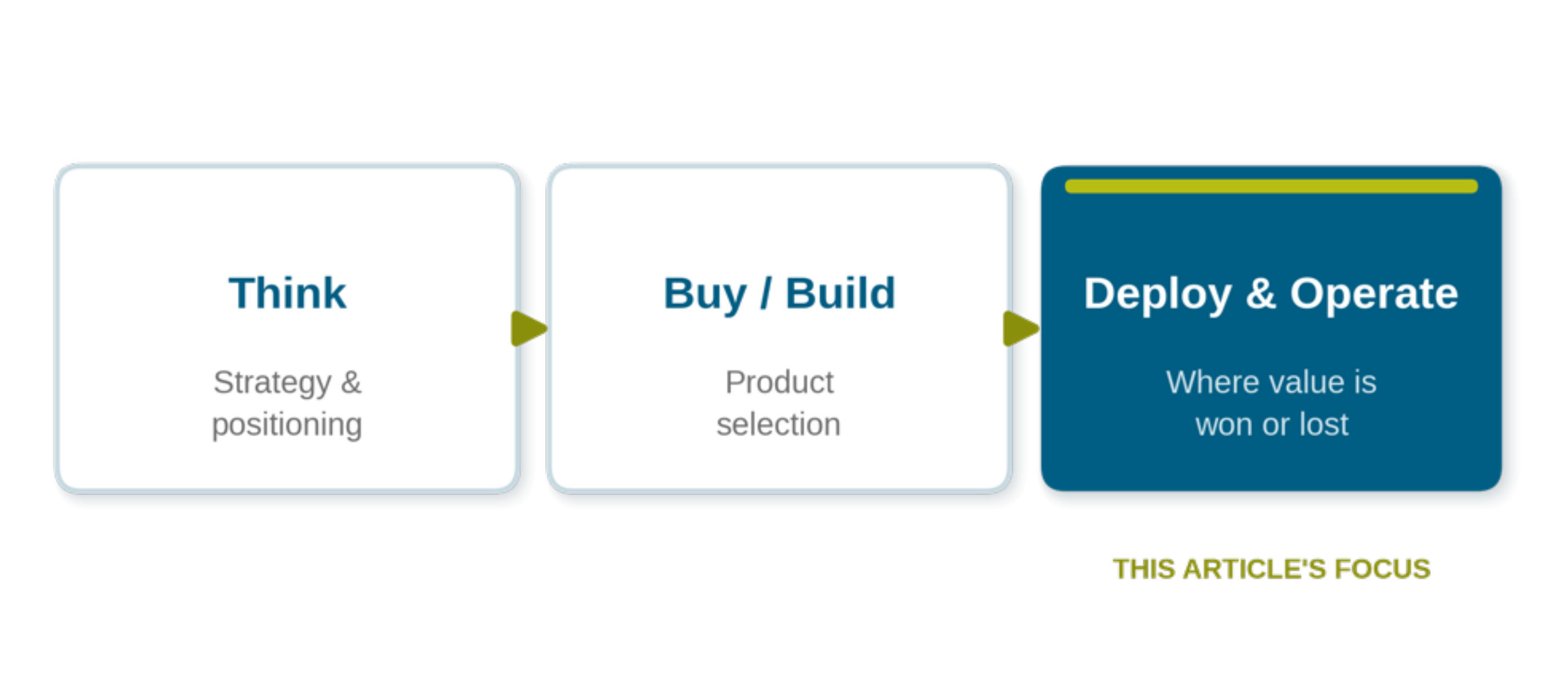
Digital products built to support exploration, development, and operations in the energy industry have always been complex to deploy and integrate well. They demand specialist knowledge to make sure the business value they promise actually reaches the people using them day to day. E&P’s domain deployment and integration squads exist to close exactly that gap.
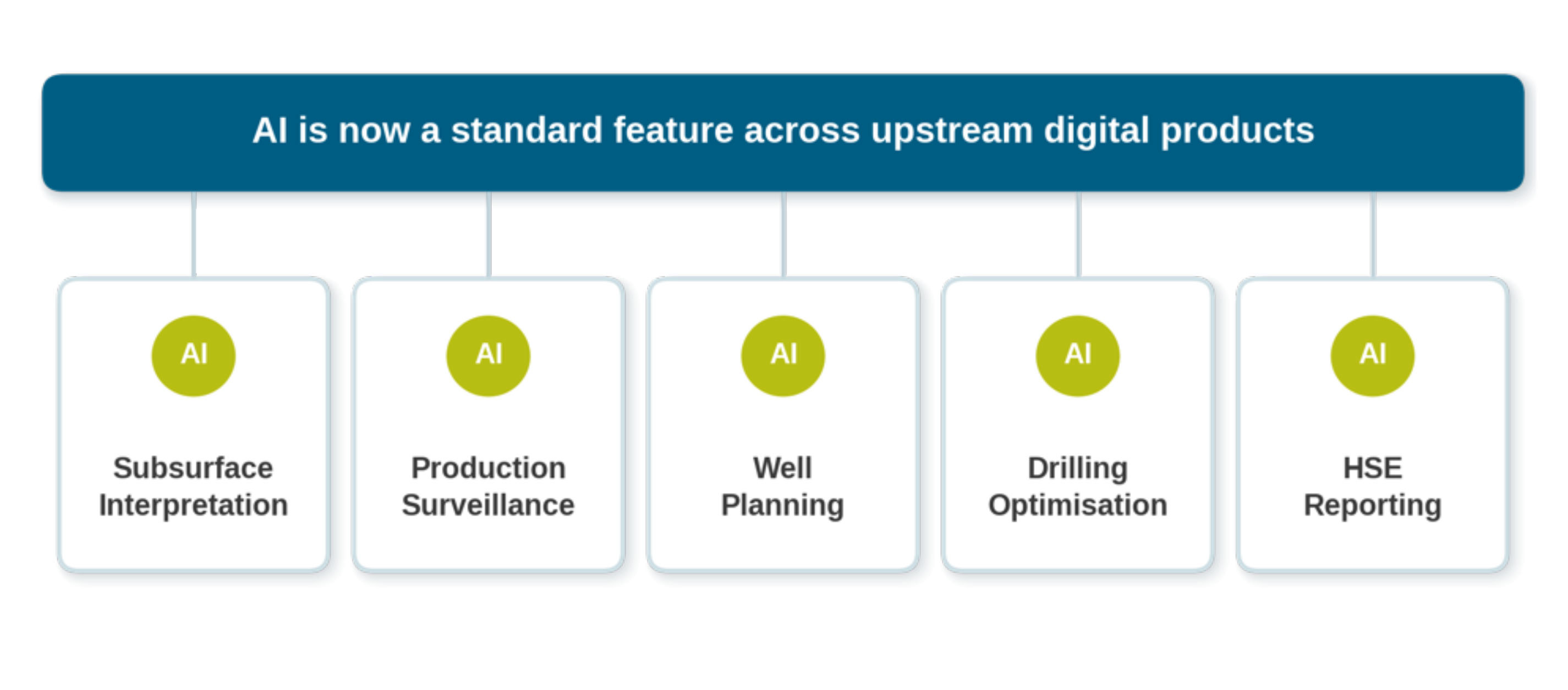
That challenge has just got harder. AI is now embedded as a standard feature across upstream digital products: subsurface interpretation, production surveillance, well planning, drilling optimisation, and HSE reporting all carry AI-assisted functionality. Deploying and integrating these solutions successfully now requires domain-informed configuration and validation: skills that generic IT delivery simply cannot provide, and a discipline that has to continue well past go-live as the pace of AI-driven change keeps accelerating.
Why deployment and integration is harder than it looks
A few realities are driving this:
- Skills are scarce
Deep knowledge of upstream digital products and solutions is limited, and there’s little scope for it to become commoditised. - The products themselves are complex
And increasingly so, as AI features are layered in. - AI adds a new validation burden
Deployment teams must now check AI outputs against domain knowledge, a gap generic IT delivery cannot fill. - These systems demand collaboration
With business stakeholders across every region a company operates in. - Cost pressure isn’t going away
The industry continues to look for ways to cut operating costs, offsetting lower O&G demand and thinner renewables margins. - Legacy toolkits are still being modernised
Real progress has been made, but there’s more work to fully exploit modern cloud, data, and AI platforms.
Why it matters
As companies push to reduce operating costs, there’s no room left for IT white-elephant projects or failed delivery. Every deployment has to land business value immediately.
A lack of domain understanding at the integration stage can mean a product technically works but doesn’t meet the needs of the people using it, regardless of how good the technical delivery was. And the energy industry doesn’t wait: with supply and demand swinging quickly, and technology evolving just as fast, solutions need to be deployed efficiently before they’re overtaken or funding disappears.
Energy companies now depend on digital solutions to improve safety, efficiency, performance, and cost. Getting deployment right, and getting it right quickly, matters more than ever. AI raises the stakes further, in ways worth spelling out.
The new deployment risk
Here’s what’s changed: AI capabilities are no longer optional add-ons. They’re standard, embedded features across upstream digital products, from subsurface interpretation to well planning. And misconfigured AI in a domain tool doesn’t fail quietly. It generates plausible but incorrect outputs that engineers may act on. A poorly trained anomaly detection model, or an AI well-planning assistant configured without domain context, doesn’t just underdeliver. It can directly affect safety, cost, and operational performance.
Only consultants with deep upstream workflow knowledge can validate, configure, and integrate these AI features with confidence. Domain expertise was already an advantage in deployment. Where AI is involved, it’s now the essential safeguard.
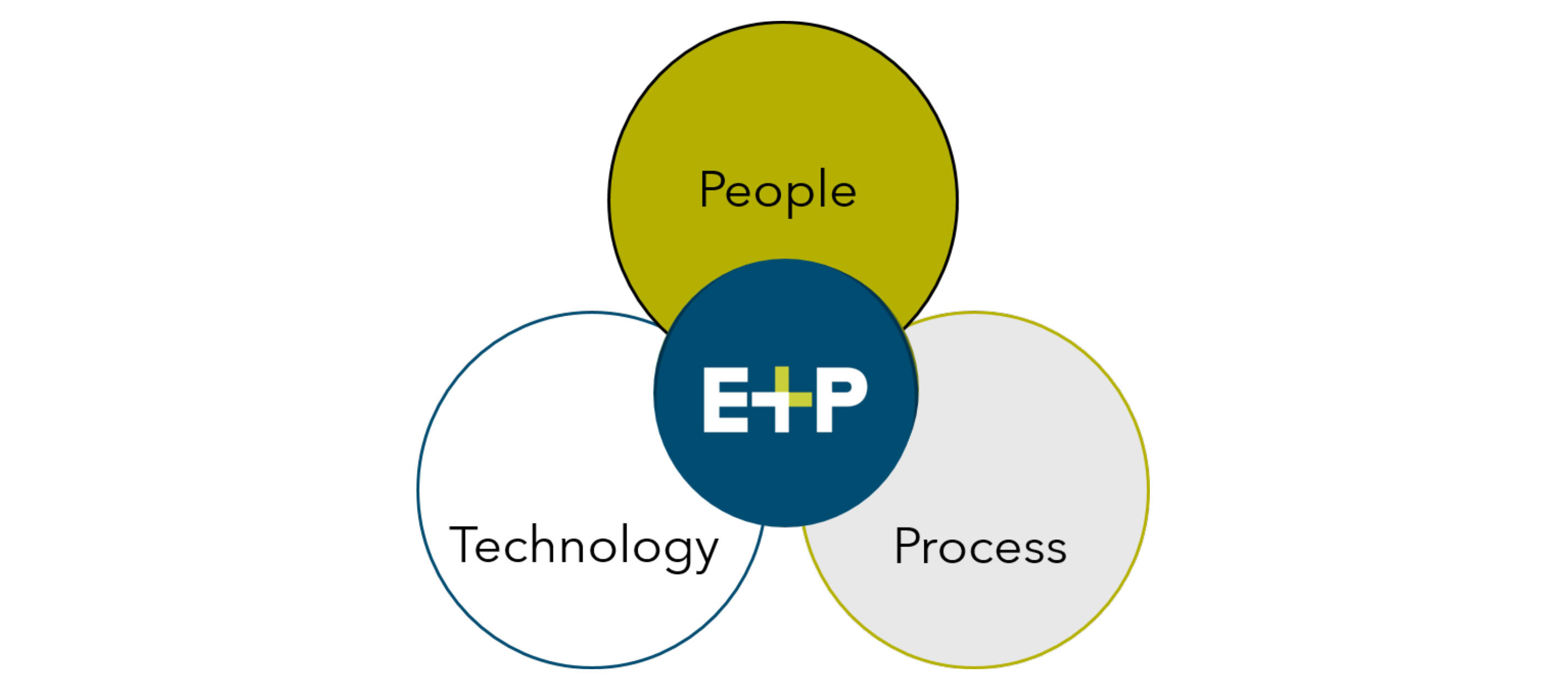
Getting it right: people, process, and technology
Delivering complex products and solutions successfully in the energy industry takes the right blend of all three. A few principles we hold to:
Technical excellence. Teams need a genuine balance of digital and domain skills: domain experts who are strong in digital, digital experts who understand the domain, or buddy systems that combine both. Increasingly, teams also need to be able to validate AI-powered features against real-world domain knowledge.
Leadership that understands the business. Whoever is leading (Product, Project, or Programme Manager) needs to understand the business context well enough to recognise where and how value will actually be delivered.
The right delivery model. Combining the mature capability of global delivery centres (India, Pakistan, Poland, Malaysia, and others) with regional experts co-located with clients gives the right mix of quality and cost, reducing risk and increasing value.
Fit-for-purpose process. Frameworks like Scrum, SAFe, ITIL, Prince2, and PMP all have their place, but only where appropriate. Every product or solution should be assessed on its own terms, not forced into a one-size-fits-all approach.
We resource deployment and integration squads in whichever combination of onshore, offshore, regional, or domain centre-of-excellence models suits the engagement, and we work across Time & Materials, Scope of Work, and Managed Service contractual models, moving between them as a client’s needs evolve.
The outcomes that matter
Done well, domain-driven deployment and integration delivers on four fronts:
- Customer-centric delivery
The right skills, processes, and methodologies applied to the specific product, backed by genuine business and domain understanding. - Value
Solutions that are fit for purpose and achieve high end-user adoption, because the team understands what business outcomes the technology is actually meant to deliver. - Relationships
High customer satisfaction, delivered efficiently, builds the credibility and trust that make future deployments smoother. - Reduced rework and technical debt
Strong domain expertise in the delivery team accelerates adoption and cuts the risk of costly do-overs.
By combining experienced people across global delivery centres with strong domain knowledge, quality doesn’t have to be sacrificed to optimise cost, and the team ends up right-sized and right-skilled for the job.
Choosing the right product, or the right buy/build approach, is only the first decision. What determines whether it delivers value is the deploy-and-operate model behind it: one built to support continuous integration, sustained adoption, and the increasing pace of AI-driven change. As AI becomes a standard feature of upstream digital products, the question for every energy company is no longer just whether your deployment team can implement a solution: it’s whether they have the domain expertise to validate what that solution’s AI is telling them, today and as it keeps evolving.